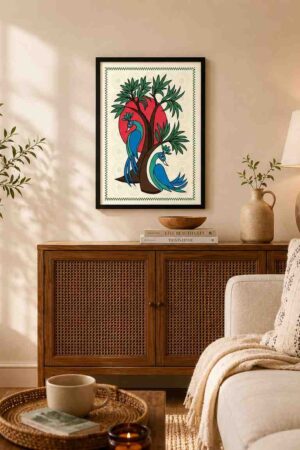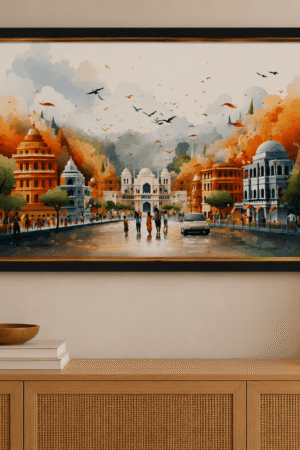
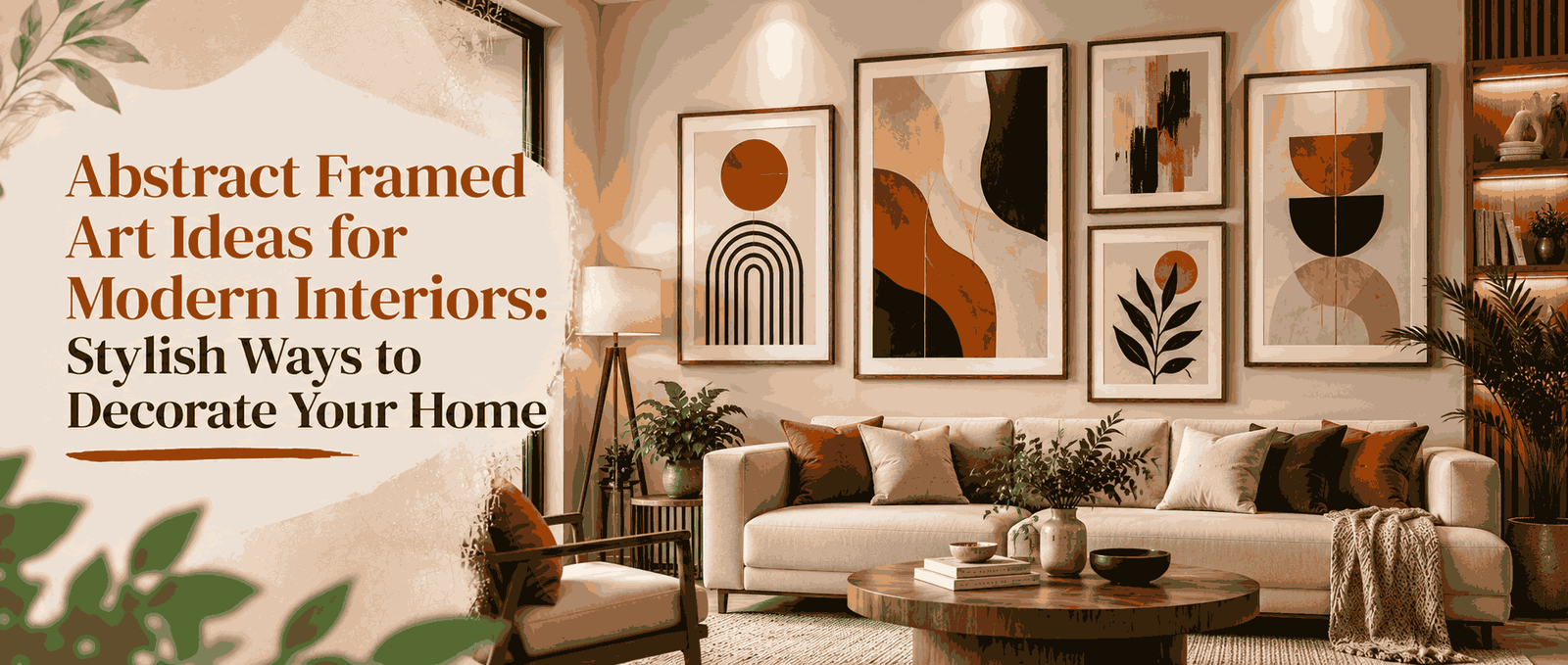
Abstract framed art is a popular choice for modern interiors because it adds colour, movement, and personality without relying on recognisable subjects or traditional imagery. From bold geometric shapes and expressive brushstrokes to soft colour combinations and minimalist line art, abstract artwork offers many ways to personalise a living space.
When displayed in a suitable frame, abstract art can become a focal point, complement your furniture, or bring together different colours within a room. It works well in contemporary apartments, modern family homes, minimalist spaces, and interiors that combine different design styles.
Whether you prefer subtle neutral artwork or bold, colourful compositions, choosing the right print and frame can help create a balanced and attractive interior. In this guide, you will discover abstract framed art ideas for modern interiors, practical styling tips, and ways to select artwork that suits your space.
Why Abstract Framed Art Works Well in Modern Interiors
Modern interiors often feature clean lines, practical furniture, open spaces, and carefully selected decorative elements. Abstract artwork complements these characteristics by introducing visual interest without making a room feel overly traditional.
Unlike artwork that depicts a specific person, place, or object, abstract art uses shapes, colours, patterns, textures, and lines to create an impression or mood. This flexibility makes it easier to coordinate with different furniture styles and colour schemes.
Abstract framed art can help you:
- Create a focal point in an otherwise simple room.
- Introduce accent colours without changing your furniture.
- Add visual texture to plain walls.
- Connect colours used in rugs, cushions, curtains, and accessories.
- Express your personal taste through artwork.
The key is to choose pieces that complement the room rather than compete with its existing design.
Choose Neutral Abstract Art for a Sophisticated Look
Neutral abstract artwork is ideal for modern interiors that feature white, beige, cream, grey, or natural wood tones. Its restrained colour palette creates visual interest while maintaining a calm and coordinated appearance.
Look for abstract compositions featuring soft beige washes, warm grey shapes, black lines, muted brown tones, or subtle cream textures. These designs can work particularly well in living rooms, bedrooms, and spaces where you want a relaxed atmosphere.
A simple black frame can provide definition, while a natural wood frame can add warmth. White frames may also suit bright interiors where you want the artwork to blend gently with the surrounding decor.
Neutral abstract art is especially useful when your furniture already contains several colours or textures. It adds character without introducing too many competing visual elements.
Make a Statement with Bold Abstract Artwork
If your interior has relatively simple furniture and understated colours, bold abstract artwork can provide a striking focal point.
Consider compositions featuring expressive brushstrokes, large geometric shapes, strong colour contrasts, or energetic patterns. Colours such as deep blue, terracotta, mustard, emerald green, and black can add personality to a contemporary room.
A large framed abstract print above a sofa or console table can anchor the surrounding area. You can also use a colourful artwork to introduce an accent colour that appears elsewhere in the room through cushions, decorative objects, or textiles.
For the best result, allow the artwork to remain the main visual feature. Avoid placing too many competing decorative pieces immediately around a bold print.
Explore Geometric Abstract Framed Art
Geometric abstract art uses shapes such as circles, triangles, squares, arches, and intersecting lines to create structured compositions. Its clean forms make it a natural fit for modern and contemporary interiors.
This style works well in rooms with straight-lined furniture, simple shelving, modern lighting, and uncluttered surfaces.
You can choose monochromatic geometric prints for a restrained appearance or colourful compositions for a more playful effect. A thin black frame can emphasise the artwork’s structure, while a light wood frame can soften the overall look.
Geometric abstract art is particularly suitable for home offices, living rooms, hallways, and bedrooms where you want a contemporary decorative accent.
Use Minimalist Line Art for a Clean Interior
Minimalist line art focuses on simple lines, outlines, and shapes rather than detailed imagery. It may include abstract faces, continuous-line drawings, flowing forms, or simple compositions on a plain background.
This style suits interiors where the goal is to create a light, uncluttered appearance. Black line art on a white or cream background can provide subtle contrast, while muted colour accents can introduce warmth.
Choose simple frames that do not distract from the artwork. Slim black frames are a versatile option, while natural wood frames can complement warm, organic interiors.
A single line-art print can work as a standalone feature, or you can combine two or three related prints to create a coordinated display.
Choose Abstract Art That Complements Your Colour Scheme
Colour coordination is one of the most effective ways to integrate abstract framed art into a modern interior.
Start by identifying the dominant colours in your room. These may come from the walls, sofa, curtains, flooring, rugs, or decorative accessories. Then select artwork that complements those colours or introduces a deliberate contrast.
Here are some combinations to consider:
- Beige and cream interiors: Choose warm neutral artwork, terracotta accents, or soft brown compositions.
- Grey interiors: Consider blue, black, white, or muted green abstract prints.
- White interiors: Use colourful abstract artwork to introduce contrast and personality.
- Dark interiors: Try artwork with lighter backgrounds or carefully selected bright accents.
- Wood-heavy interiors: Earthy abstract art can complement natural textures and warm finishes.
You do not need to match every colour exactly. Sometimes a single shared accent colour is enough to connect the artwork with the rest of the room.
Decorate the Living Room with Abstract Framed Art
The living room is one of the most effective places to display abstract artwork because it often has a natural focal point, such as a sofa, fireplace, or feature wall.
A large abstract print above a sofa can create visual balance, while a pair of complementary artworks can work well above a console table or beside a seating area.
For a modern living room, consider these ideas:
- Display one large abstract print above the sofa.
- Choose artwork that incorporates colours from your cushions or rug.
- Use geometric prints to complement clean-lined furniture.
- Pair neutral artwork with textured fabrics for a layered look.
- Use a coordinated set of abstract prints to create a consistent theme.
Before hanging artwork, consider the width of the furniture below it and leave enough space around the frame. The artwork should feel connected to the furniture without appearing cramped.
For more room-specific inspiration, read our guide to decorating a living room with photo frames.
Add Abstract Artwork to the Bedroom
Abstract framed art can help create a bedroom that feels personal, comfortable, and visually balanced. The most suitable designs depend on the atmosphere you want to create.
Soft colour gradients, muted abstract shapes, gentle brushstrokes, and neutral compositions can complement a relaxing bedroom. If your room features bold bedding or colourful furniture, simpler artwork may help balance the overall appearance.
Consider placing a framed abstract print above the headboard or displaying a pair of coordinated pieces beside the bed. Make sure the frames are proportionate to the wall and securely mounted.
Choose colours that work with your bedding, curtains, and furniture rather than selecting artwork in isolation.
For additional ideas, explore our guide to bedroom photo frame decoration ideas.
Use Abstract Framed Art in a Home Office
Abstract art can add personality to a home office without relying on photographs or traditional decorative images.
Geometric patterns, simple line art, and carefully chosen colour compositions can complement a modern desk, shelving, and contemporary lighting. A restrained design may be suitable if you prefer a visually simple workspace, while a more colourful piece can introduce energy into the room.
If your desk appears in video calls, consider how the artwork will look in the background. A coordinated arrangement can make the space feel polished without creating unnecessary visual distraction.
Choose artwork that complements your working environment and avoid overcrowding the wall behind your desk.
For more ideas, read our guide to decorating a home office with framed art.
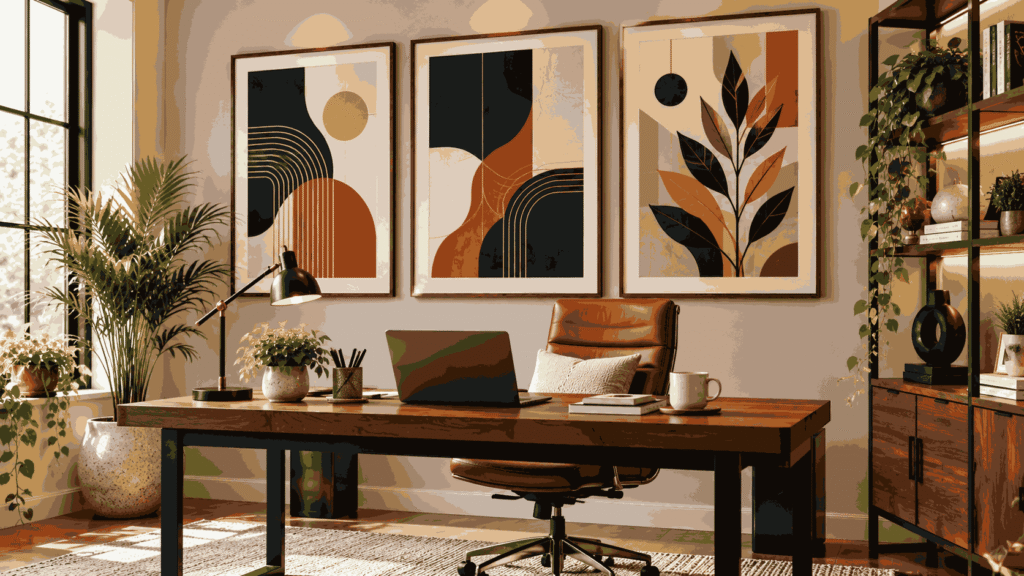
Create a Coordinated Abstract Art Gallery Wall
A gallery wall allows you to combine several abstract artworks into one decorative feature. This approach works well when you want more visual variety than a single print can provide.
You might combine geometric artwork, minimalist line drawings, and colour-based compositions. To keep the display cohesive, choose pieces that share at least one characteristic, such as a common colour palette, related frame finishes, or a similar visual style.
There are several ways to approach the arrangement:
Symmetrical layout: Arrange matching frames in aligned rows or a grid for a structured appearance.
Mixed-size layout: Combine larger statement prints with smaller complementary pieces.
Colour-coordinated display: Choose abstract artworks that repeat two or three colours.
Monochromatic collection: Use black-and-white abstract prints for a consistent contemporary look.
Plan the arrangement before hanging the frames. Check the overall shape of the display, the spacing between pieces, and how it relates to nearby furniture.
For detailed layout guidance, read our guide on how to arrange multiple photo frames on a wall.

Select the Right Frame for Abstract Artwork
The frame should support the artwork’s style and proportions without overpowering the composition. Even a simple abstract print can look different depending on its frame finish.
Black frames: Suitable for graphic artwork, geometric designs, and high-contrast compositions.
White frames: Work well with light backgrounds and bright, contemporary interiors.
Natural wood frames: Add warmth and complement earthy or organic abstract artwork.
Metallic frames: Can provide a refined accent when used with suitable artwork and interior finishes.
Simple, slim profiles: Often work well when the abstract composition itself contains strong colours or detailed patterns.
Consider the wall colour, the surrounding furniture, and the artwork’s visual weight before making a final choice. A frame that complements these elements will help the artwork feel integrated into the interior.
Consider Artwork Size and Wall Proportions
The size of an abstract print can significantly influence how it looks within a room. A small print on a large wall may appear disconnected, while an oversized piece can overwhelm a compact space.
Before choosing artwork, measure the available wall area and consider nearby furniture. A larger print may suit a broad wall above a sofa, while smaller pieces can work well in narrow spaces or coordinated displays.
Also think about the artwork’s visual density. A bold composition with large shapes may appear more prominent than a softer print of the same dimensions.
If you are decorating a compact home, consider using a single well-proportioned piece rather than filling every wall with multiple artworks. Our guide to photo frame ideas for small apartments offers additional suggestions.
Combine Abstract Artwork with Other Interior Elements
Abstract framed art looks more natural when it relates to the room’s other design elements.
For example, a print featuring terracotta tones may complement warm cushions or a ceramic vase. A blue abstract composition can connect with a rug or decorative accessories, while earthy artwork may work well with wooden furniture and indoor plants.
You can also create contrast deliberately. A colourful print against a neutral wall may become a focal point, while monochromatic artwork can help balance a room with several accent colours.
Avoid matching everything too closely. The goal is to create a visual connection between the artwork and the interior while allowing the framed piece to retain its own character.
Common Mistakes to Avoid When Choosing Abstract Framed Art
Choosing artwork without considering the room: A print may look attractive on its own but feel disconnected from the furniture and colour scheme. Consider the full interior before making your choice.
Using too many competing colours: Several bold artworks can make a room feel visually busy if they do not share a common element.
Selecting the wrong frame size: A frame that is too small or too large for its surroundings can disrupt the overall balance.
Overcrowding the wall: Abstract art often benefits from space around it. Give each piece enough room to be appreciated.
Mixing unrelated styles without a plan: Combining geometric designs, expressive paintings, and line art can work, but shared colours or frame finishes help create a unified appearance.
Ignoring personal preference: Abstract artwork offers room for individual interpretation. Choose pieces you enjoy living with rather than selecting artwork only because it follows a trend.
Frequently Asked Questions
What abstract art is best for modern interiors?
Geometric prints, minimalist line art, colour-block compositions, expressive brushstrokes, and neutral abstract artwork are all suitable choices. The best style depends on your room’s colours, furniture, and overall atmosphere.
Which frame colour works best for abstract art?
Black, white, and natural wood are versatile options. Black can emphasise contrast, white can create a light appearance, and natural wood can introduce warmth. Select a finish that complements the artwork and surrounding decor.
Can abstract framed artwork work in a small living room?
Yes. A single well-proportioned abstract print can create a focal point without overcrowding the space. Smaller coordinated artworks may also work if the arrangement leaves sufficient open wall space.
Should abstract artwork match the furniture?
It does not need to match exactly. However, choosing artwork that complements the room’s colour palette, textures, or overall style can create a more coordinated appearance.
Can I mix different abstract art styles on one wall?
Yes. Geometric prints, line art, and colour-based compositions can work together when they share a visual connection, such as similar colours, related frame finishes, or complementary proportions.
How do I choose the right size for abstract framed art?
Measure the available wall space and consider the furniture beneath or beside it. Larger walls can accommodate statement prints or coordinated collections, while compact spaces may benefit from smaller, carefully positioned pieces.
Conclusion
Abstract framed art offers a flexible way to personalise modern interiors. From neutral compositions and minimalist line art to bold geometric prints and colourful statement pieces, there are options for different rooms, furniture styles, and personal preferences.
The best results come from balancing the artwork with the frame, wall colour, furniture, and available space. Choose pieces that complement your interior, give them room to stand out, and use colour and composition thoughtfully.
With the right selection, abstract framed art can transform an ordinary wall into a distinctive feature that adds character and visual interest to your home. Explore our Home Decor with Photo Frames to get ideas for every room decor.
Explore our social media platforms, Pinterest, Instagram, and Facebook, to watch video content of our Photo Frame products.