

Minimalist home decor is all about creating a space that feels calm, organised, and visually balanced. Instead of filling every corner with decorative items, this style focuses on a few carefully selected pieces that add value to the overall design. Photo frames are an excellent way to introduce personality and warmth without making a room feel crowded.
Whether you prefer modern artwork, family photographs, abstract prints, or nature-inspired images, the right photo frames can complement a minimalist interior while keeping the space simple and elegant. The key is to choose artwork, frame finishes, and placements that work naturally with your existing decor.
In this guide, you will discover how to choose and style photo frames for minimalist home decor, along with practical ideas for creating a clean and timeless interior.
What Makes Photo Frames Suitable for Minimalist Home Decor?
Minimalist interiors generally feature clean lines, neutral colours, functional furniture, and uncluttered surfaces. Photo frames fit this style when they support the overall design rather than compete with it.
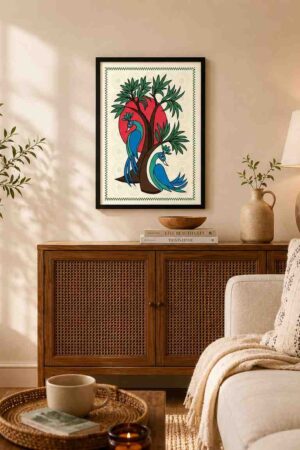
A simple black frame around an abstract print, a natural wood frame containing botanical artwork, or a single family photograph displayed on a neutral wall can create a strong visual impact without adding unnecessary decoration.
When choosing frames for a minimalist home, focus on three important elements:
- Simplicity: Choose clean frame profiles and artwork without excessive visual detail.
- Balance: Leave enough empty space around framed pieces so the room feels open.
- Purpose: Select photographs or artwork that have personal meaning or contribute to the room’s visual theme.
The goal is not to remove all decoration. It is to choose fewer pieces and give each one enough space to stand out.
Choose Simple Frame Designs
The frame itself plays an important role in minimalist styling. Decorative carvings, ornate borders, and highly detailed finishes can distract from the artwork and make a simple interior feel visually busy.
Instead, look for frames with straight edges, slim profiles, and understated finishes.
Popular choices include:
- Thin black frames for a contemporary appearance.
- White frames for a bright, seamless look.
- Natural wood frames for warmth and texture.
- Simple metallic frames for a subtle modern accent.
Choose a frame design that complements your furniture, wall colour, and artwork. You do not need to use the same frame throughout your entire home, but maintaining a consistent visual direction can help create a cohesive interior.

Use a Neutral Colour Palette
Neutral colours are a natural fit for minimalist interiors because they create a calm background for furniture and artwork. Shades such as white, beige, cream, grey, and soft brown work particularly well with simple photo frames.
For example, a black frame against a white wall creates a clean contrast, while a natural wood frame against a beige wall produces a softer and warmer effect.
Consider these combinations:
- White walls with black frames: Ideal for modern and monochromatic interiors.
- Beige walls with natural wood frames: Suitable for warm, organic minimalist spaces.
- Grey walls with white frames: Creates a subtle, coordinated appearance.
- Cream walls with muted artwork: Helps maintain a soft and relaxed atmosphere.
You can introduce colour through the photograph or print itself. A muted botanical illustration, a soft landscape, or a simple abstract design can add interest without overwhelming the room.

Select Artwork That Matches the Minimalist Style
Minimalist decor works best when the artwork feels intentional. Rather than choosing prints simply to fill empty wall space, consider how each image contributes to the mood and appearance of the room.
Abstract artwork
Simple geometric shapes, flowing lines, and limited colour palettes can complement modern interiors. Choose artwork with enough negative space to keep the overall appearance light.
Botanical prints
Leaves, branches, flowers, and plant illustrations introduce a natural element into minimalist spaces. Black-and-white botanical prints are especially suitable for monochromatic rooms.
Landscape photography
Photographs of mountains, beaches, forests, and open landscapes can create a peaceful visual focal point. Muted colours and uncluttered compositions often work particularly well.
Black-and-white photography
Monochrome portraits, architectural photographs, and family pictures can add personality without introducing too many competing colours.
Personal photographs
Minimalism does not mean avoiding personal memories. A favourite family photograph, travel memory, or meaningful portrait can make a simple interior feel more personal and welcoming.
Display One Statement Photo Frame
One carefully selected frame can sometimes create more impact than a large collection of decorative pieces.
A statement frame works particularly well above a console table, beside a reading chair, above a bed, or on an otherwise simple wall. Choose artwork that is visually strong enough to stand on its own and give it sufficient space around the edges.
Before hanging the frame, consider the scale of the wall and nearby furniture. A very small frame on a large empty wall may appear disconnected, while an oversized frame in a compact area can feel overwhelming.
The ideal choice creates a clear focal point while preserving the room’s open and uncluttered appearance.

Create a Small, Coordinated Photo Display
Although minimalist decor often uses individual statement pieces, a small collection of framed photographs can also work beautifully.
The important thing is to keep the arrangement organised. Select two or three frames with complementary finishes, consistent spacing, and photographs that share a visual theme.
For instance, you could display a set of black-and-white travel photographs or a few nature prints in matching wood frames.
Avoid adding too many different colours, frame styles, and artwork themes to the same display. If you want to explore different arrangements in more detail, read our guide on how to arrange multiple photo frames on a wall.
Make Use of Negative Space
Negative space refers to the empty area surrounding an object. In minimalist home decor, this space is just as important as the decorative item itself.
Leaving open wall space around a framed photograph helps draw attention to the image and prevents the room from feeling crowded.
Instead of hanging frames close together across an entire wall, try displaying one or two pieces with generous spacing. Keep nearby shelves and tabletops relatively simple so the framed artwork remains easy to notice.
This approach can be especially useful in compact homes, where too many decorative objects may make a room feel smaller.
For more ideas suited to compact interiors, explore our guide to photo frame ideas for small apartments.
Match Frame Materials with Your Furniture
Frame materials can influence how a minimalist interior feels. Even when the design is simple, the material and finish can add warmth, contrast, or a refined accent.
Wood frames: Natural wood introduces warmth and works well with wooden flooring, neutral furniture, linen fabrics, and indoor plants.
Black frames: Black finishes provide definition and suit modern furniture, metal details, and monochromatic interiors.
White frames: White frames blend naturally with light walls and create a soft, understated look.
Metallic frames: Simple metal finishes can introduce a subtle decorative accent. Use them selectively if you want to maintain a restrained appearance.
You do not have to match every material exactly. Instead, choose finishes that relate naturally to the other elements in your space.
Use Photo Frames in Different Areas of the Home
Minimalist framed artwork can work in almost any room, provided the size, subject, and placement suit the space.
- Living room: Use a statement artwork or a small coordinated display to complement the sofa and surrounding furniture. See our guide to decorating a living room with photo frames.
- Bedroom: Choose calming landscapes, personal photographs, or understated abstract prints. Explore these bedroom photo frame decoration ideas.
- Home office: Display simple artwork that suits your workspace without creating visual distractions. Read our guide to decorating a home office with framed art.
- Entryway: A single framed print can create a welcoming first impression while keeping the entrance organised. See our guide to entryway decor with framed artwork.
- Dining area: Botanical prints, abstract artwork, or understated photography can complement a clean dining space. Explore our dining room wall decoration ideas with photo frames.
For a broader overview of room-by-room styling, visit our main guide to home decor with photo frames.
Choose the Right Frame Size and Placement
Even the simplest frame can look out of place if its proportions do not suit the surrounding area. Consider the wall dimensions, the size of nearby furniture, and the visual weight of the artwork before making your choice.
A medium-sized frame can work well in a smaller area, while a larger print may be more suitable for a broad wall or an open living space. When placing artwork above furniture, aim for a balanced relationship between the width of the frame and the furniture below it.
Also consider the height at which the artwork will be viewed. Frames should be easy to appreciate from the room’s usual seating or standing positions.
If you are decorating a completely empty wall, our guide on how to decorate an empty wall with framed art offers additional inspiration.
Keep the Overall Look Clean and Consistent
A minimalist home does not require every room to look identical. However, a few consistent design choices can help the entire home feel connected.
You might use black frames throughout the main living areas, natural wood frames in warmer spaces, or a similar style of artwork across several rooms.
To maintain a clean look:
- Limit the number of decorative items displayed together.
- Avoid mixing too many frame finishes in one small area.
- Choose artwork with complementary colours and subjects.
- Keep frames straight and properly spaced.
- Leave enough empty space around each piece.
- Review the arrangement occasionally and remove anything that feels unnecessary.
The best minimalist interiors balance simplicity with personal expression. Every framed piece should have a reason to be there, whether it adds visual interest, reflects your personality, or preserves a meaningful memory.
Common Mistakes to Avoid When Styling Minimalist Photo Frames
Even attractive frames can disrupt a minimalist interior if they are used without considering the surrounding space.
Choosing too many styles: Combining ornate frames, bright colours, and different decorative themes can make the display feel inconsistent. Start with a simple visual direction.
Filling every empty wall: Empty space is part of minimalist design. You do not need to decorate every wall to make a home feel complete.
Ignoring proportions: A frame that is too small or too large for its surroundings can make the arrangement feel unbalanced.
Using artwork without a clear theme: Too many unrelated images may create visual clutter. Choose artwork that shares a colour palette, mood, or subject where possible.
Copying trends without considering your home: A frame style that looks attractive in a photograph may not suit your wall colours, furniture, or available space. Consider your existing interior before choosing.
Frequently Asked Questions
Which photo frame colours are best for minimalist home decor?
Black, white, and natural wood are popular choices because they are simple and versatile. The best colour depends on your wall finish, furniture, artwork, and the overall mood you want to create.
Are gallery walls suitable for minimalist interiors?
Yes. A gallery wall can suit a minimalist home when it uses a limited colour palette, coordinated frames, consistent spacing, and carefully selected artwork. A smaller display may be easier to keep visually balanced.
Is black-and-white artwork good for minimalist decor?
Yes. Black-and-white photography and prints can create contrast without introducing multiple colours. They work particularly well in modern interiors with neutral walls and simple furniture.
Can I use family photos in a minimalist home?
Absolutely. Family photographs add personality and emotional value. Choose a few meaningful images and display them in simple frames to maintain a clean appearance.
How many photo frames should I display in a minimalist room?
There is no fixed number. One statement frame, a pair of coordinated prints, or a small collection can all work. Consider the room’s size, available wall space, and the amount of visual detail already present.
How do I make photo frames look more expensive in a minimalist interior?
Focus on proportion, presentation, and consistency rather than adding more decoration. Simple frame profiles, well-chosen artwork, balanced placement, and sufficient negative space can create a refined look.
Conclusion
Photo frames can add character, warmth, and personal meaning to a minimalist home without compromising its clean appearance. By choosing simple designs, neutral colours, meaningful artwork, and thoughtful placement, you can create an interior that feels both stylish and comfortable.
Start with one or two frames that complement your existing decor, then build on the look only when needed. In minimalist design, the aim is not to display more but to make every detail count.
Explore our social media platforms Pinterest, Instagram, and Facebook to watch video content of our Photo Frame product.



Comment (1)